In recent years, intermittent fasting has gained increasing popularity among lifestyle bloggers and fitness enthusiasts. Intermittent fasting typically involves one to two days of complete or partial fasting per week (with normal eating on the other days) to maintain weight or achieve weight loss.
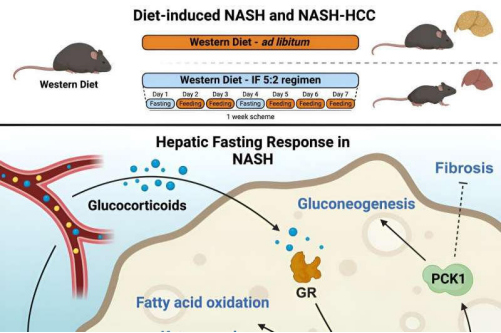
A research team from the German Cancer Research Center and the University of Tübingen investigated the effects of intermittent fasting on liver disease. The researchers reported that a 5:2 intermittent fasting regimen—five days of eating followed by two days of fasting—can protect the liver and prevent or even treat metabolic dysfunction-associated steatohepatitis (MASH, previously abbreviated as NASH), a condition that can progress to hepatitis and liver cancer, without causing weight gain. Additionally, the researchers identified the proteins responsible for this protective effect.
The findings were published on May 7 (local time) in the international academic journal Cell Metabolism.
The most common chronic liver disease worldwide is non-alcoholic fatty liver disease (NAFLD), a condition characterized by fat accumulation in the liver not caused by heavy alcohol use. NAFLD is associated with genetics or obesity, and if left untreated, can progress to its most severe form—metabolic dysfunction-associated steatohepatitis (MASH)—which is marked by liver inflammation and scarring. MASH also increases the risk of liver failure and liver cancer. Currently, the most important clinical treatment for MASH is weight loss.
"Implementing fasting leads to significant changes in metabolic processes and triggers beneficial detoxification mechanisms, which help prevent MASH," said Matthias Heikenwälder, a researcher at the University of Tübingen and co-corresponding author of the study. The research team fed mice a high-fat, high-sugar Western diet for 32 weeks to induce MASH. One group of mice continued to have unlimited access to the Western diet, while another group was placed on an intermittent fasting regimen of "two days of fasting per week"—no food on two days (but with free access to water).
As expected, the mice with unlimited access to food gained weight and body fat and developed chronic liver inflammation. In contrast, although the intermittent fasting group ate more on the five non-fasting days, they did not gain weight, showed fewer signs of liver disease, and had lower levels of biomarkers indicating liver damage. The researchers concluded that the "two days of fasting per week" diet made the mice resistant to MASH. Comparative experiments revealed that "two days of fasting per week" was more effective than "one day of fasting per week."
By comparing the protein composition, metabolic pathways, and gene activity in the livers of fasting versus non-fasting mice, the researchers identified two protective proteins: PPAR-alpha and PCK1. PPAR-alpha is a master regulator of fat metabolism in the liver and is essential for ketogenesis (the production of ketone bodies from fatty acid breakdown). PCK1 is a metabolic enzyme responsible for regulating the biosynthesis of glucose from non-carbohydrate carbon sources (gluconeogenesis). "Unfortunately, there are currently no drugs that mimic the effects of PCK1," said Heikenwälder.
Through mouse experiments, the researchers also found that "two days of fasting per week" alleviated chronic hepatitis caused by Western diet-induced MASH, demonstrating therapeutic effects. After an additional four months of intermittent fasting, mice that had developed MASH from the Western diet showed better blood markers, reduced liver fat and inflammation, and developed fewer liver cancers.
"This suggests that this dietary approach has great potential—both in preventing MASH and liver cancer, and in treating chronic hepatitis," said Heikenwälder. "These promising results indicate that studies in human patients are warranted for further validation."
According to The Paper, in medical weight loss, intermittent fasting is referred to as "intermittent energy restriction," a dietary pattern involving fasting or limited energy intake during specified periods according to a certain schedule.
Intermittent fasting is particularly suitable for individuals who are muscular but overweight, have a large waist circumference, elevated blood lipids, decreased insulin sensitivity, have poor appetite control, or are too busy with work to adjust their diet. Pregnant and breastfeeding women, individuals with depression or advanced cancer, those who are underweight or malnourished, individuals under 18 or over 70 years of age, and those with severe cardiovascular or cerebrovascular disease, mental disorders, or chronic infections should not attempt intermittent fasting without consulting a physician.
According to GMANetwork.com, intermittent fasting may also carry certain risks. Common side effects include discomfort from fasting, such as hunger, nausea, fatigue, irritability, insomnia, and headaches. Healthy eating is a complex topic that involves individual differences, lifestyle, genetic background, and various environmental factors. It is not merely about following a specific pattern but rather a continuous, holistic lifestyle choice.